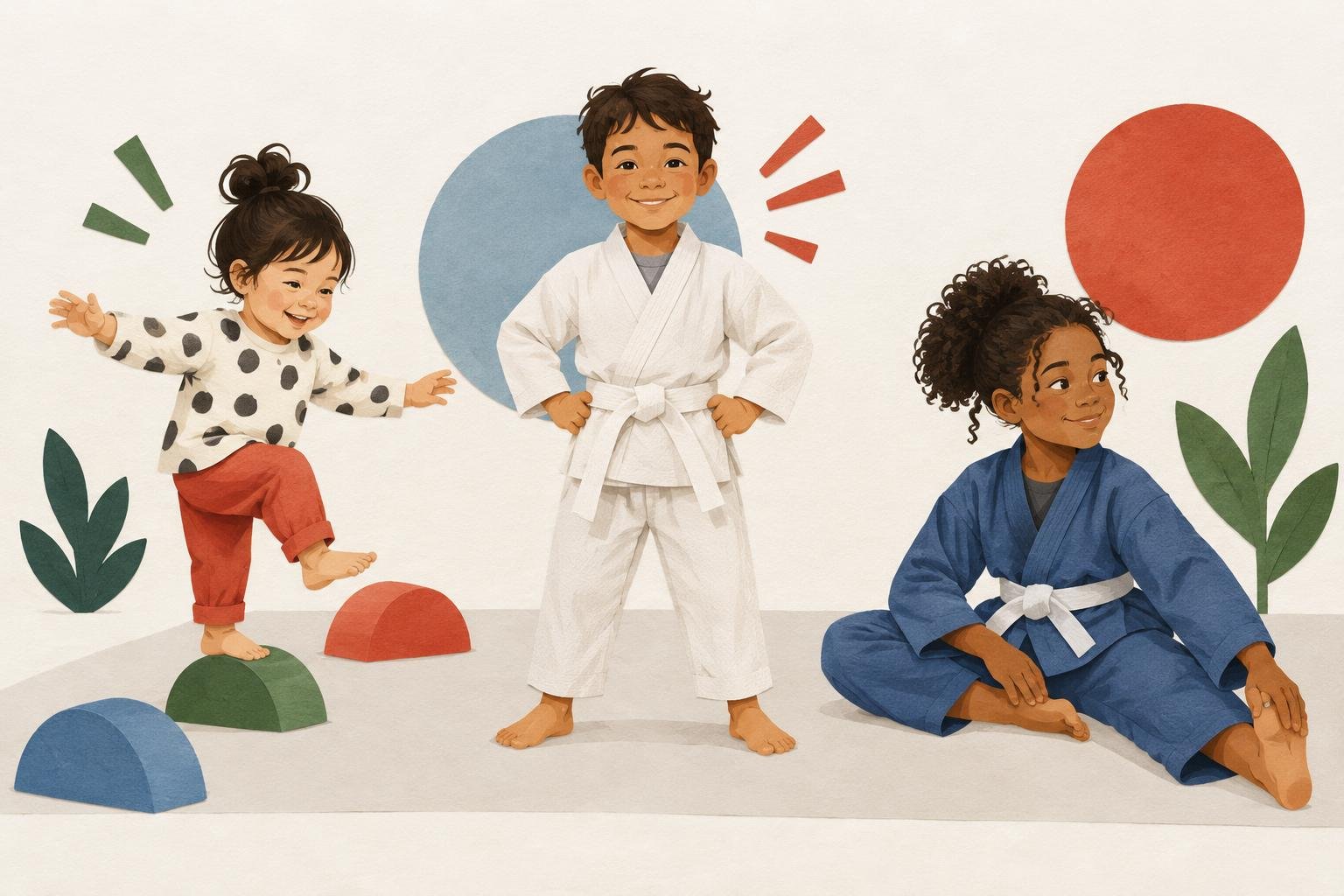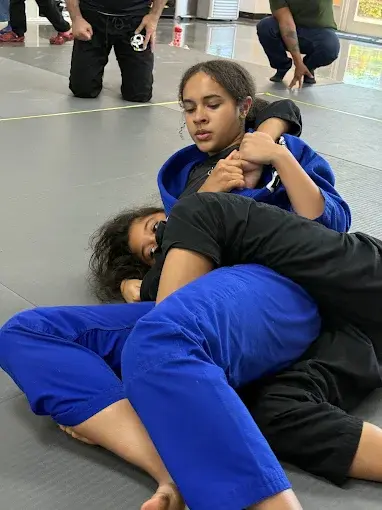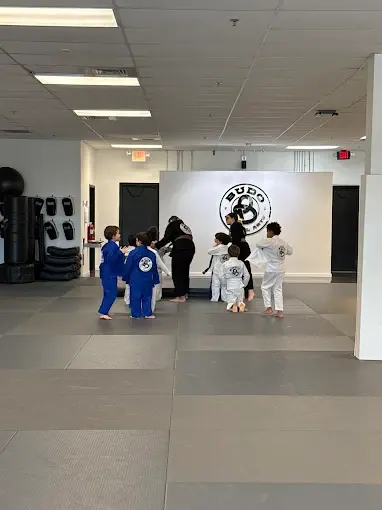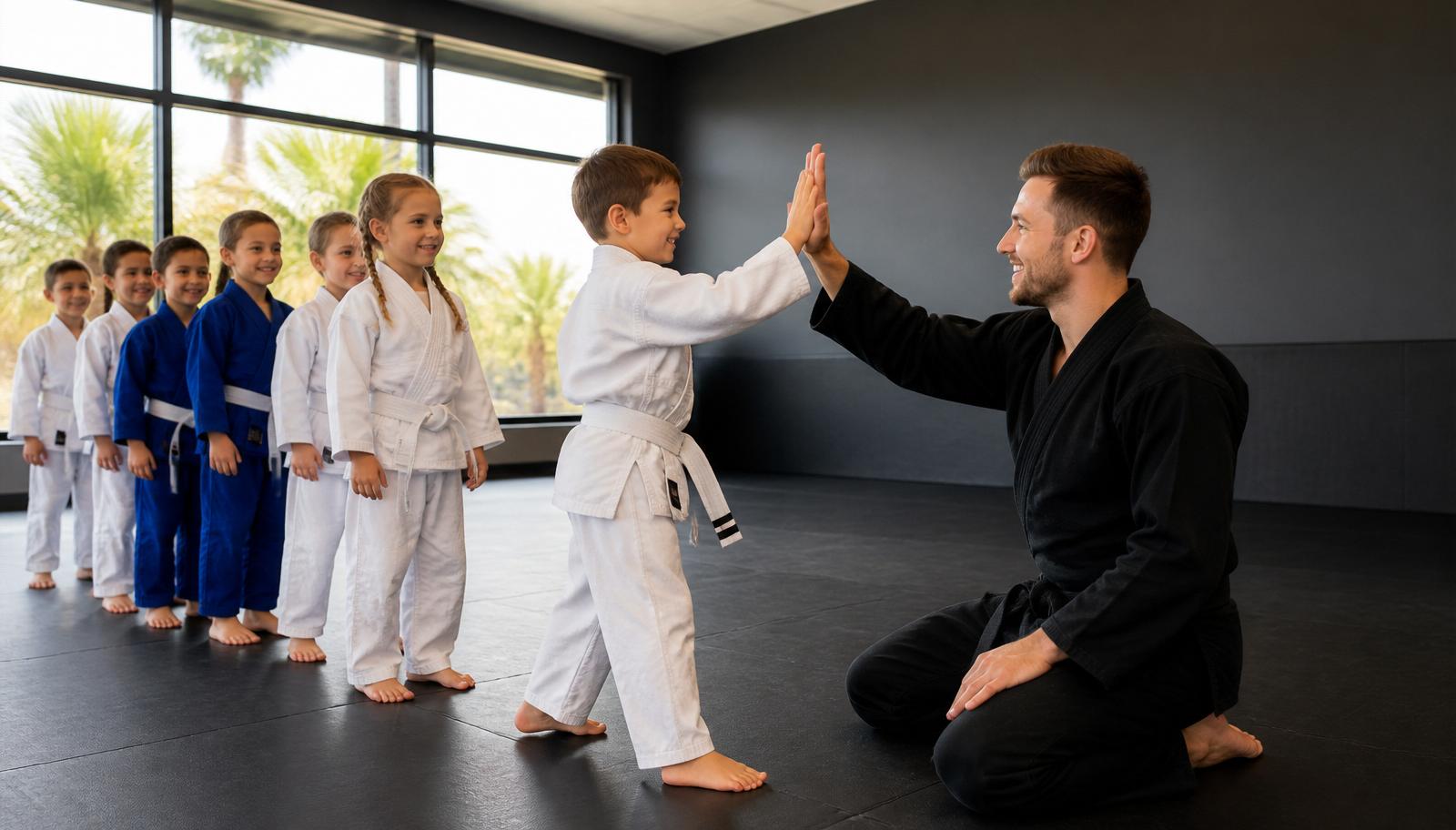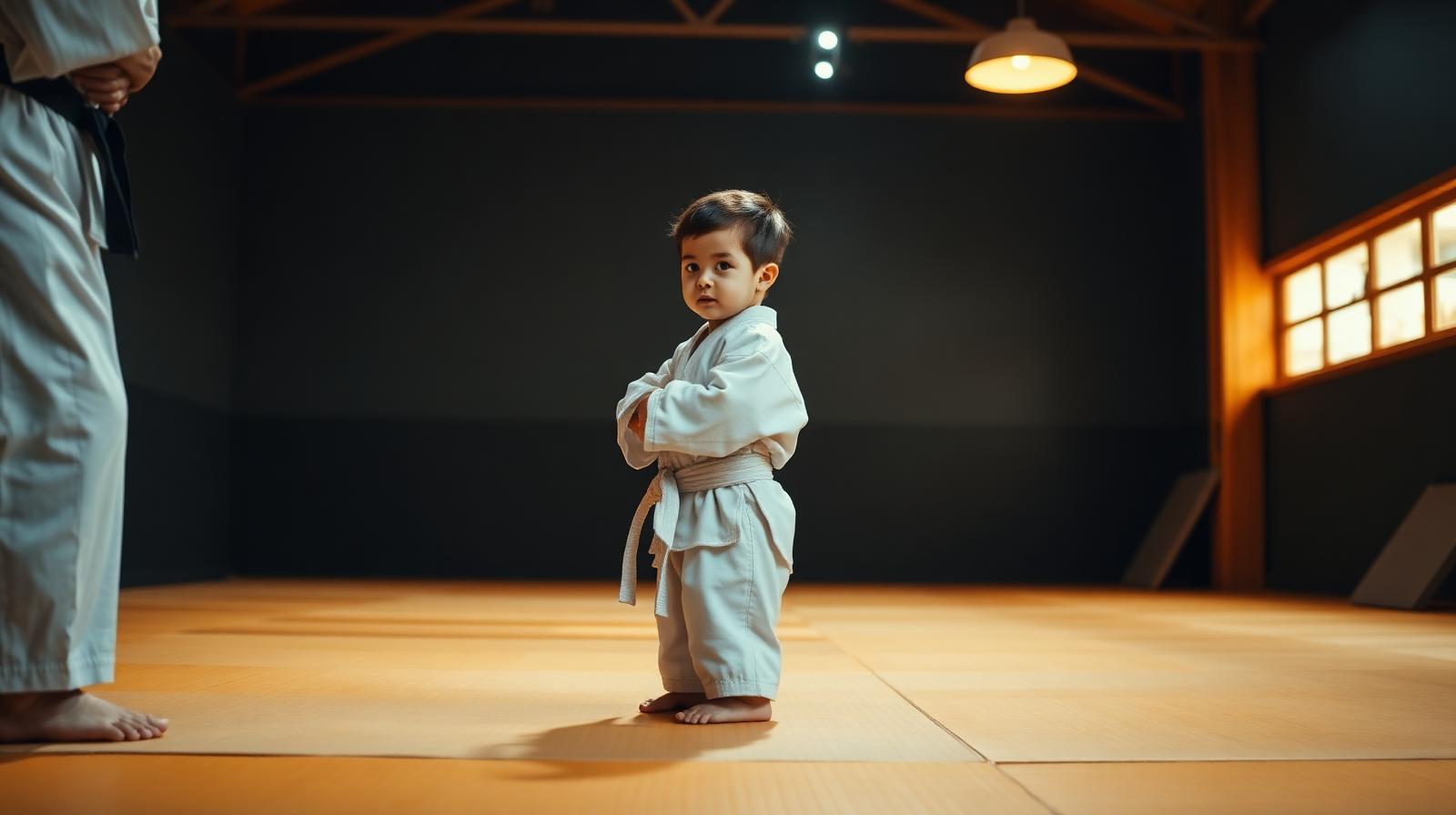
Welcome to a world of confidence and strength. In the heart of Coconut Creek, our martial arts school is more than a training facility — it's a place where kids learn who they are by doing things they didn't think they could do.
The word "confidence" gets thrown around loosely in parenting. It's talked about like a trait you either have or don't. It isn't. Confidence is a stack of small, earned wins that a child can actually point to. Martial arts is one of the most efficient ways in the world to build that stack.
Why Confidence Is Really About Evidence
A kid who says "I can do hard things" without proof is repeating a phrase. A kid who says "I can do hard things" and can name three specific hard things they've actually done — that's confidence. It's a receipt, not a slogan.
The dojo is a receipt factory. Every belt stripe is proof. Every board break is proof. Every time a kid gets tapped in sparring and gets back up is proof. The receipts pile up, and around the third or fourth month, the child starts to walk differently.
Real confidence is what's left over when you take a kid's excuses away and they still show up.
The Four Confidence Markers Parents Actually Notice
You don't need a test to know if it's working. Parents in Coconut Creek tell us they see these four shifts, usually in this order:
- Eye contact with adults returns. First with the instructors, then with everyone else.
- The child volunteers for things they used to avoid — reading aloud in class, going first, ordering their own food at a restaurant.
- They handle a "no" or a correction without collapsing. The world stopped being fragile.
- They defend a smaller kid without asking permission. This one gets us every time.
The last one is the tell. That's when you know the confidence is real — because it's now serving someone other than themselves.
Bully-Proofing Isn't What You Think
Parents often come in worried about bullying. Reasonable worry. But here's the truth: kids who train in martial arts almost never need to fight. Bullies are pattern-matchers. They pick the child who looks like a target — head down, shoulders forward, eyes on the floor. A kid who's been training for 6 months doesn't look like that anymore, and the bully's brain skips right past them.
The physical skills matter. But the posture, eye contact, and quiet calm matter more. Those are the actual bully deterrents.
What Transfers to School (and What Doesn't)
Here's an honest breakdown of what parents can and can't expect on the school side.
What reliably transfers
- Ability to sit still and follow multi-step directions the first time.
- Taking a correction from a teacher without shutting down or arguing.
- Speaking up in class — because they've been asked to say their name and count out loud a hundred times.
- Handling losing — a bad grade, a missed goal — without spiraling.
What doesn't automatically transfer
- Reading skills. Karate can't teach phonics.
- Math grades. Same reason.
- Motivation for subjects the child dislikes. Motivation is domain-specific.
The transfer is behavioral and postural. Not academic. Any program promising you academic results is selling you something.
Frequently Asked Questions
How long before I see confidence changes?
Small changes (eye contact, posture) usually appear in 4 to 6 weeks. The bigger shifts — the volunteering, the defending, the calm — are more like 3 to 6 months of consistent 2x-per-week training.
My child is very shy. Will they be overwhelmed?
Shy kids often thrive here faster than "outgoing" ones. Classes are structured with clear expectations, so shy kids know exactly what happens next. That predictability is what lets them let their guard down.
What age should we start?
3–4 for the seeds (Tiny Ninjas), 5–7 for real fundamentals (Lil Ninjas), 8–12 for the confidence explosion (Jr. Warriors). Any of these ages is a good time to start. The wrong age is the one you keep putting off.
New Student Experience
Ready to See It In Person?
2 Weeks of Classes — $99 $29
Training near you: martial arts near Coral Springs · martial arts near Parkland