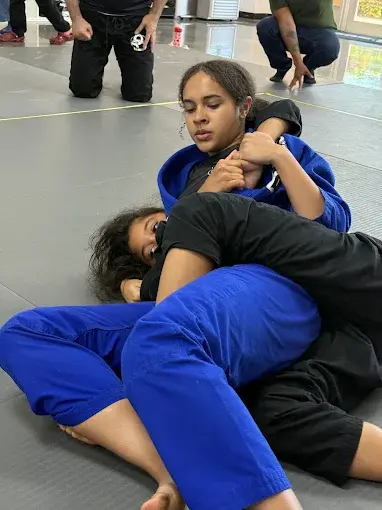
Searching for BJJ in Coral Springs is easy. Knowing which class will actually fit your family is harder. One parent wants a child to feel more confident at school; another wants an activity they can share with their teenager. An adult beginner may simply want to exercise without feeling lost in a room full of experienced athletes.
Brazilian Jiu Jitsu, usually shortened to BJJ, is a grappling martial art built around position, leverage, and controlled partner practice. Beginners do not need to arrive knowing the vocabulary or having an athletic background. They do need a school that explains expectations clearly and takes their comfort and safety seriously.
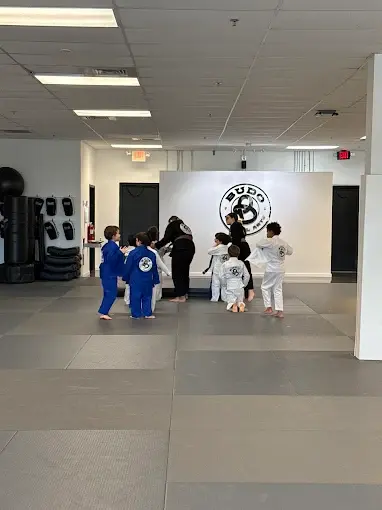
This guide helps Coral Springs families understand the first steps, compare schools, and decide whether a trial is worthwhile. Budo Martial Arts teaches in neighboring Coconut Creek at 5901 Lyons Rd, not inside Coral Springs. Keep that location in mind when comparing your actual after-school drive.
1. Understand What Brazilian Jiu Jitsu Trains
BJJ focuses on grappling rather than an exchange of punches and kicks. Students learn to manage distance, maintain balance, improve position, and escape from difficult situations. Depending on the age group and curriculum, practice can include standing movement, ground movement, and controlled submission techniques. Ask the instructor what is appropriate for the specific class you are considering.
Cooperation comes before competition
A useful beginner drill might involve one student practicing an escape while a partner provides limited resistance. Both people have a job: the learner practices the movement, and the partner makes it possible to learn. Harder resistance should come gradually, not as a surprise on the first day.
- Technique: learning where to place your hands, feet, and weight.
- Awareness: recognizing when you are uncomfortable or losing balance.
- Communication: asking questions and telling a partner to slow down.
- Self-control: stopping immediately when the instructor or partner asks.
The goal of a first class is not to prove toughness. It is to understand the environment and leave with a small skill you can recognize. A school that praises careful learning rather than unnecessary intensity is easier to evaluate and more welcoming to families.
2. Choose the Right Starting Point for Your Child
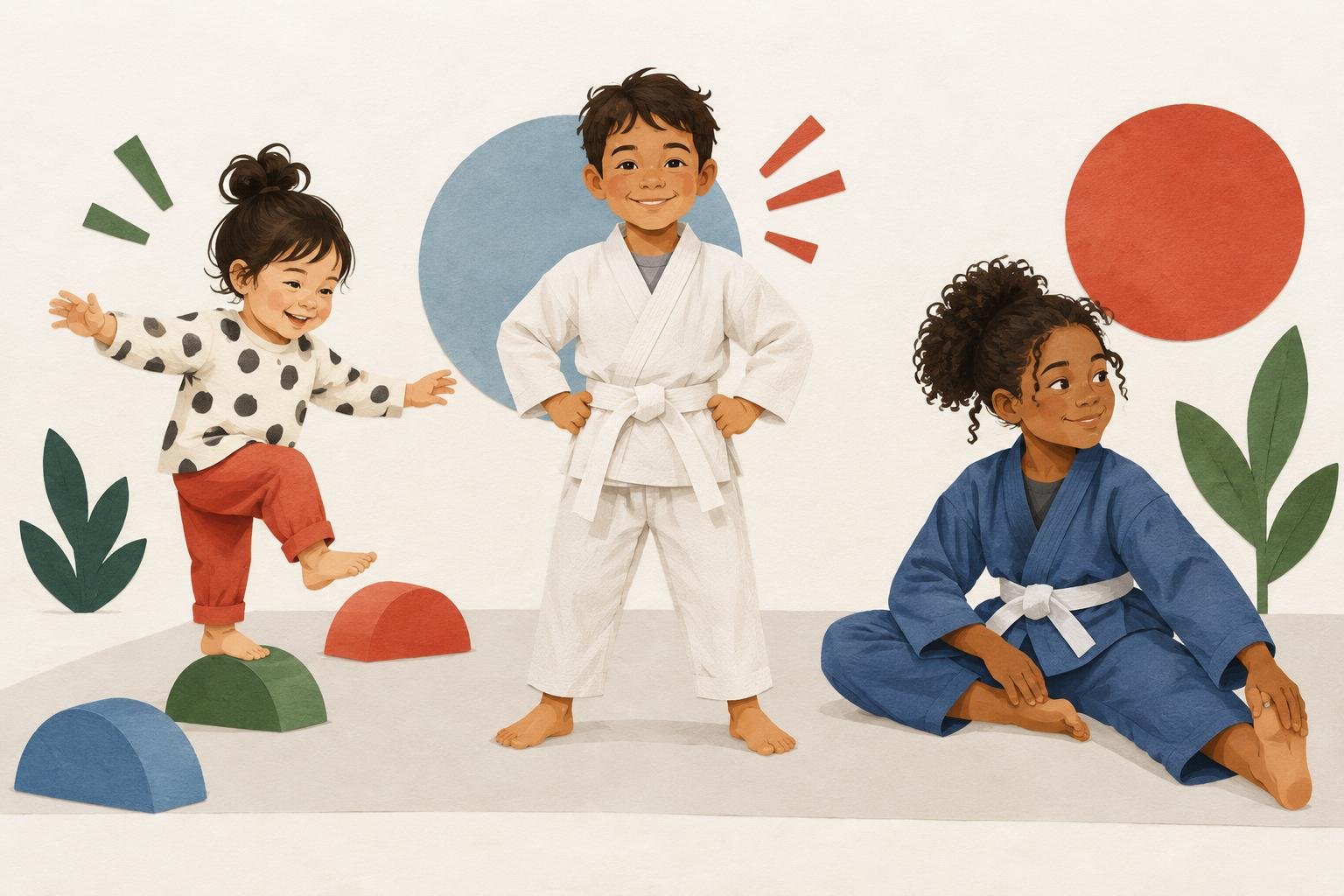
Age matters, but readiness matters too. A preschooler needs short explanations and patient guidance; an older child may be ready for more detailed partner work. Ask how the school groups students and how it introduces someone who has never trained. Do not assume that every class labeled kids BJJ follows the same approach.
Match the program to the stage
Budo has Tiny Ninjas for ages 3 to 4, Lil Ninjas for ages 5 to 7, and Jr. Warriors for ages 8 to 12. Teens age 13 and older can explore the teen and adult BJJ program. These are starting points for a conversation with the school, not promises that every child learns at the same pace.
If your child is hesitant about being touched or working closely with someone else, discuss that before class. You can ask whether watching first or joining one simple drill is appropriate. A useful trial lets you assess fit without turning a nervous introduction into a test of character.
3. Know What a First Class Should Feel Like
Arrive with enough time to introduce yourself, mention relevant health concerns, and ask where to wait. Confirm clothing and equipment with the school before leaving home. Remove jewelry, keep nails short, and bring water. Clean training clothes and good hygiene are part of being a considerate partner, not optional extras.
A clearly labeled example, not a testimonial
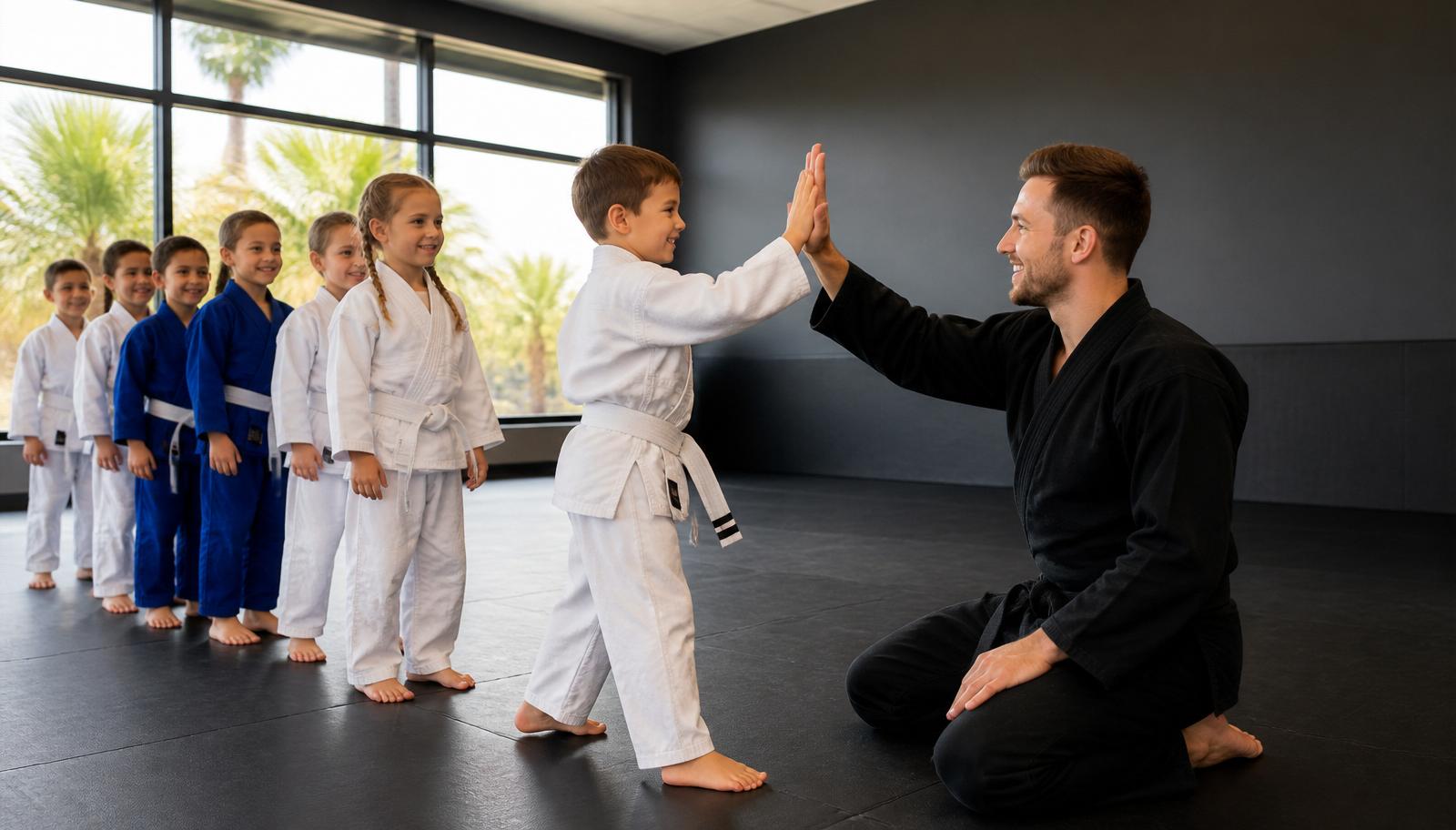
Imagine a shy eight-year-old who worries about making a mistake in front of other children. In a supportive first class, the instructor explains one movement, pairs the child appropriately, and gives them a chance to repeat it. The meaningful win is asking a question or trying again after correction, not suddenly becoming fearless.
That example is hypothetical; it is not a claim about a particular Budo student. It illustrates what parents can observe directly. Look for an instructor who notices uncertainty, explains the next step, and avoids embarrassing the learner. A calm correction often tells you more than a polished demonstration.
- Ask who will guide your child during the first partner drill.
- Find out whether live practice is optional or modified for beginners.
- Check how students signal that they need to stop.
- Ask your child what felt comfortable and what felt confusing afterward.
4. Evaluate Safety and Self-Defense Claims Honestly
BJJ involves physical contact and carries injury risk, just like other physical activities. No school can guarantee a risk-free class or a child who will never face bullying. The better question is how the instructor manages predictable risks and teaches students to make responsible decisions outside the gym.
Stopping is a skill
A tap is a signal to stop. It can be physical or verbal, and the partner should release immediately. Children also need age-appropriate boundaries and supervision; the technique rules for an adult class should not simply be copied into a young child’s lesson. Ask which techniques are permitted and how the staff enforce those limits.
For bullying concerns, physical practice is only one part of the discussion. Children should learn to use words, seek trusted adults, create distance when possible, and report unsafe situations. Grappling practice is not permission to wrestle classmates or test techniques on siblings. Reinforce those boundaries at home.
- Observe whether the instructor can see and supervise partner work.
- Ask how partners are matched by size, experience, and temperament.
- Find out how injuries or uncomfortable interactions are reported.
- Look for a culture where stopping and asking for help are respected.
5. Build a Routine That Survives the Coral Springs Drive
The best class is one you can realistically attend. From Coral Springs, routes toward Coconut Creek may involve Sample Rd or Wiles Rd and then Lyons Rd. Your starting neighborhood, school pickup, and traffic all affect the journey. Check a live map at the hour you would normally travel rather than relying on a general estimate.
Plan around the whole family
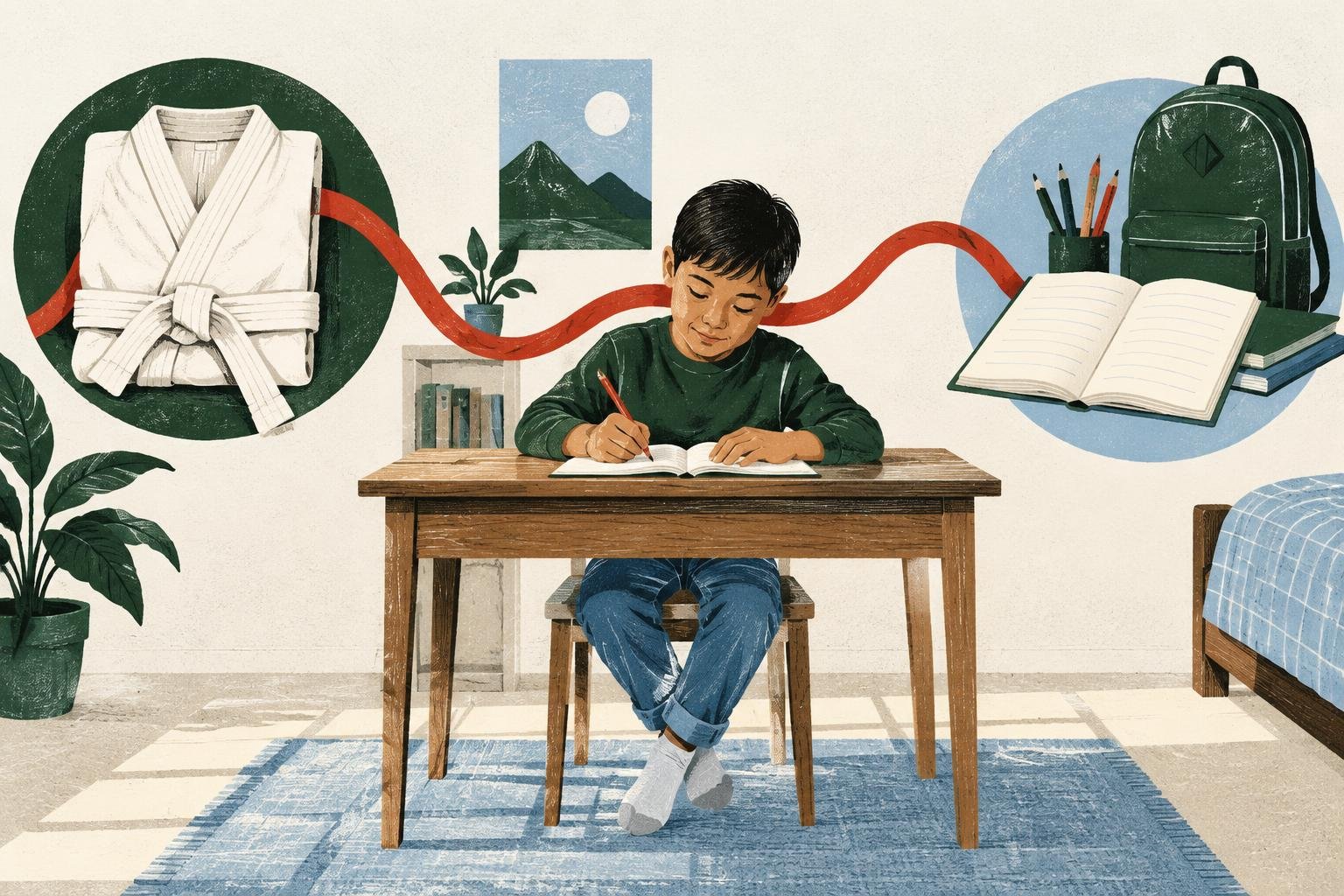
Write down the actual sequence: school pickup, snack, drive, class, dinner, and homework. If siblings train in different age groups, ask about the current timetable before assuming their classes overlap. Parents can explore adult BJJ too, but family participation does not necessarily mean everyone trains in the same session.
Start with a sustainable routine and review it after the trial. A schedule that creates constant rushing can undermine an otherwise good fit. Encourage consistency without promising a particular number of weekly classes will produce a guaranteed behavioral change. Progress varies with the child, coaching, practice, and circumstances outside class.
6. Compare the Trial and the Ongoing Commitment
A trial should answer practical questions, not just introduce the sales offer. Ask what classes are included, how to select a first visit, and what happens afterward. Budo’s introductory offer is two weeks of classes for $29 with a free uniform. That wording does not mean unlimited classes, and it does not describe the ongoing membership price.
Questions worth asking before paying
- Which age-appropriate classes can we attend during the intro?
- What is the current membership price after the trial?
- Are there separate registration, equipment, or promotion fees?
- What are the cancellation, pause, and renewal terms?
- Who should we contact if our first scheduled visit needs to change?
For adults, a beginner-friendly environment is worth comparing alongside the price. Ask how new students learn the basics, whether there are suitable training partners, and how intensity is adjusted. If you have an injury or medical concern, speak with your healthcare professional and tell the instructor about relevant restrictions.
7. Frequently Asked Questions About BJJ near Coral Springs
Do beginners have to be fit before starting?
You do not need to complete a fitness program before asking about beginner BJJ. Tell the instructor about your experience and any relevant limitations so you can discuss an appropriate starting point. Expect to learn gradually, rest when needed, and focus on technique rather than keeping up with experienced students.
Can kids and parents both train at Budo?
Yes, Budo offers age-based kids programs as well as teen and adult BJJ. Whole-family participation means each person can find an appropriate program, not that every age group shares one class. Contact the school for the current timetable and ask how to coordinate visits for siblings and parents.
Is Budo actually in Coral Springs?
No. Budo Martial Arts is at 5901 Lyons Rd in Coconut Creek, FL 33073, and serves nearby Coral Springs families. Visit the Coral Springs city page for local directions and program links. Use your own starting address and class time to judge whether the trip works for you.
How do we decide whether to continue after the intro?
Look beyond excitement on day one. Can the instructor explain what your child is learning? Does your child feel respected? Can your family manage the commute and costs? A good decision combines those observations with your child’s feedback, rather than measuring the trial by belts or instant confidence.
After each visit, ask one open question: what did you learn today? Listen for a specific movement, a helpful correction, or a moment when they cooperated with a partner. Those details make progress easier to discuss without turning every car ride home into a performance review.
New Student Experience
Ready to See It In Person?
2 Weeks of Classes — $99 $29
Training near you: martial arts near Coral Springs