If your child has ever turned a pile of cushions into a wrestling mat, you already understand part of the appeal of grappling. Some children love testing their balance, wriggling out of a tight space, or figuring out how to move around another person. That curiosity is not a fighting skill, and it is not permission to roughhouse without boundaries. But it can be a starting point for learning.
Brazilian Jiu Jitsu, usually called BJJ, gives that movement a purpose. Instead of simply trying harder, students learn to notice a position, consider an option, and practice a response with a partner. For parents exploring the benefits of BJJ for kids, that combination of physical activity and thoughtful practice is worth a closer look.
The important question is not whether BJJ is the best martial art for everyone. It is whether an age-appropriate class, with attentive coaching and clear boundaries, fits your child. Here is what makes grappling interesting, what it can offer, and what to look for before choosing a school.
1. Grappling turns movement into a physical puzzle
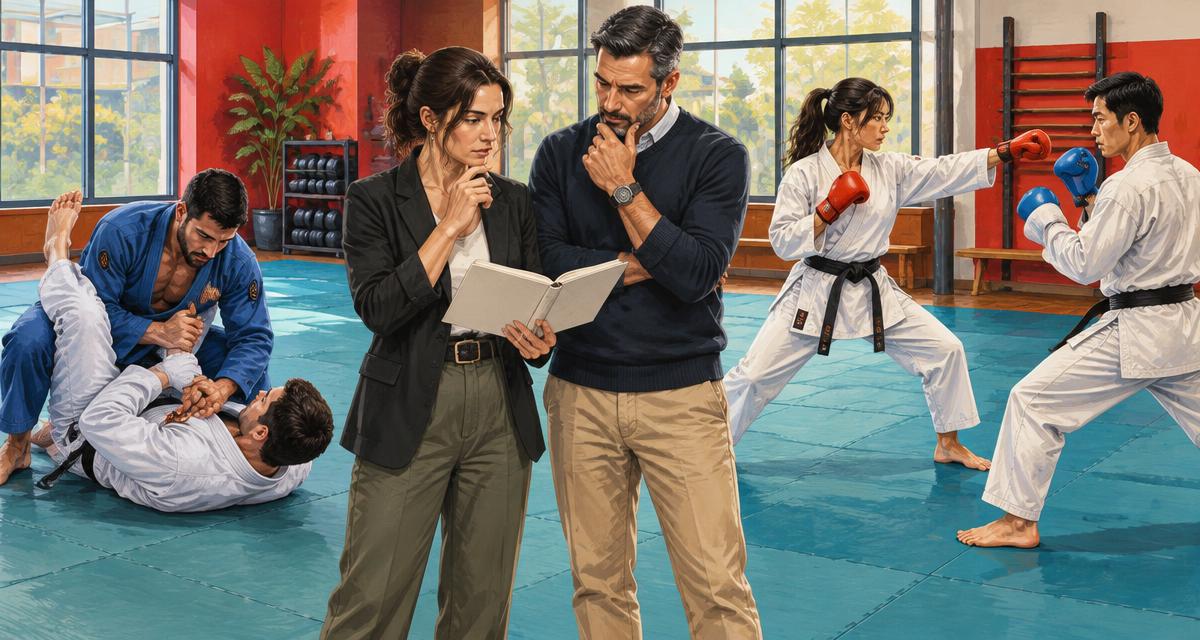
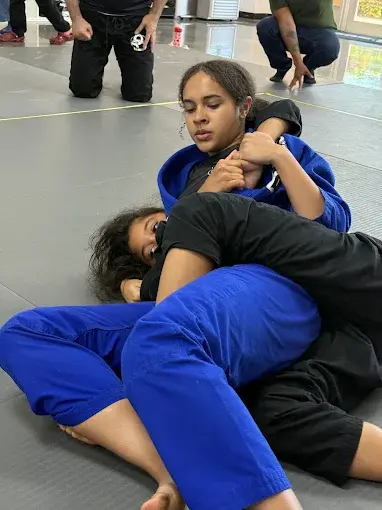
BJJ is a grappling martial art. Students practice positions, escapes, and ways to control movement, often on the ground. Unlike a striking discipline, its central practice does not revolve around throwing punches and kicks. That difference helps explain why a BJJ class can look unfamiliar to a parent who has only seen martial arts in movies.
Picture a beginner trying to move past a partner's legs during a coached drill. Pushing harder may not be the answer. Changing an angle, improving balance, or moving at a different moment might work better. The student gets to explore the difference between effort and an effective plan.
The useful part is the next attempt
- Notice where your body and your partner are positioned.
- Listen to one small correction from the coach.
- Try the movement again at the instructed pace.
- Discover what changed, then give your partner a turn.
That is a concrete learning process, not a promise of instant intelligence or perfect concentration at school. A child who enjoys hands-on challenges may find it engaging. Another child may prefer a different activity, and that is a reasonable outcome too.
2. Familiar play becomes practice with boundaries
Many children enjoy rolling, chasing, balancing, and playful wrestling. Not every child does. Comfort with touch, temperament, previous experiences, and the setting all matter. It would be a mistake to say every child instinctively knows how to grapple, or that hesitation means something is wrong.
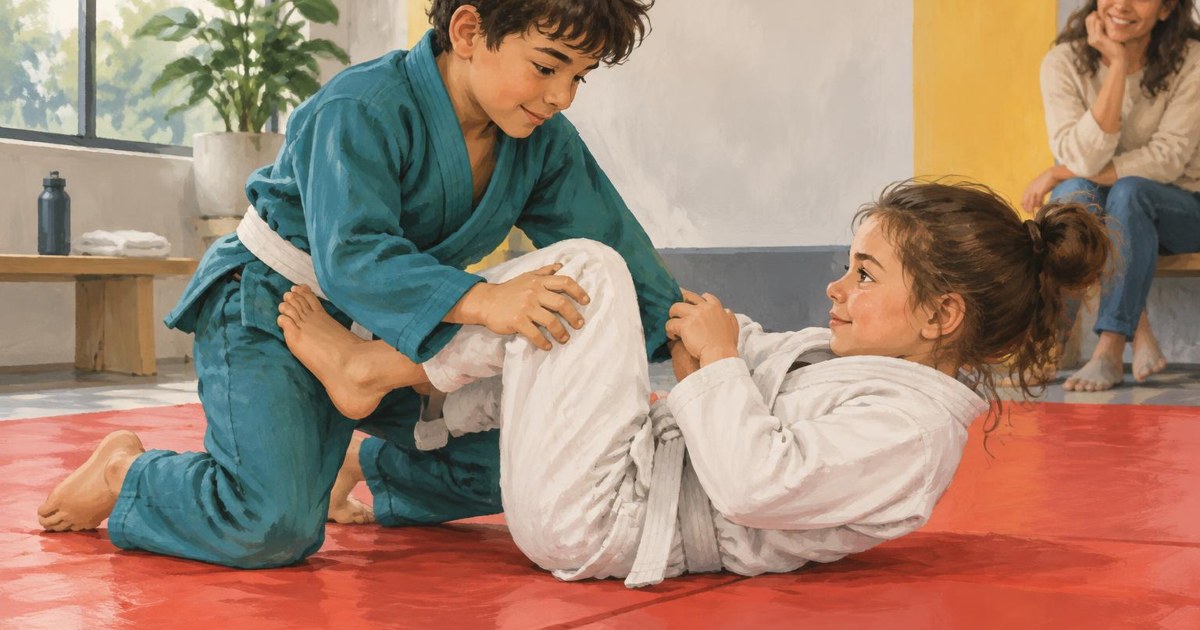
The value of a class is not that it gives children permission to wrestle harder. It adds instruction and limits. Students need to know when an activity begins, what they are allowed to do, how to communicate discomfort, and when movement must stop. Those boundaries distinguish supervised training from uncontrolled roughhousing.
A training partner is not an opponent to embarrass
Consider a hypothetical child who wants to win every playground game. In a beginner drill, that child may have to slow down so a partner can practice an escape. The challenge becomes being useful to someone else, not collecting another victory. This is an example of a learning opportunity, not a testimonial or a guaranteed change in behavior.
- Follow the coach's instructions rather than inventing a harder challenge.
- Stop immediately when the partner or coach signals a stop.
- Use the agreed pace and level of resistance.
- Remember that both children need a chance to learn.
3. Progress gives children something specific to feel proud of
Confidence is often advertised as if it arrives with a uniform. A more useful way to think about it is confidence in a particular task. A student remembers a movement, understands a correction, or asks for help instead of giving up. Those are small, observable achievements that a parent and child can talk about.
BJJ creates repeated chances to practice something that did not work the first time. A partner changes position, and the old answer is no longer enough. With appropriate coaching, that can become an invitation to experiment rather than a verdict about being good or bad at sports.
Praise the process, not a promise of toughness
- You asked a question when the movement was confusing.
- You stopped when your partner needed you to stop.
- You tried the correction instead of rushing.
- You helped someone else get a good practice turn.
None of this means training automatically fixes anxiety, attention difficulties, or problems at home. It should not replace professional support. The realistic benefit is a setting where a child can practice manageable challenges and experience progress, if the teaching and activity fit their needs.
4. Physical activity can be interesting without being a team tryout
Some children love team sports. Others feel overwhelmed by a large field, waiting for a turn, or needing to understand the whole game at once. BJJ offers a different format: practice a movement, work with a partner, and respond to a challenge close at hand. It is another option, not a reason to dismiss soccer, dance, swimming, or any other activity.
Grappling uses movement, balance, coordination, and physical effort. The actual amount and intensity depend on the child's class and participation. A beginner lesson with demonstrations is not the same as continuous exercise, and parents should not assume one class covers all of a child's activity needs.
Keep the broader activity picture in view
US physical-activity guidelines recommend at least 60 minutes of moderate-to-vigorous activity daily for children and adolescents ages 6 to 17. That is general guidance, not a BJJ-specific result or a prescription for every individual child. Classes can be one part of an active week alongside play, walking, and other activities your child enjoys.
Parents can be beginners too. Budo has teen and adult BJJ beginning at age 13, separate from its younger children's programs. Training at the same school can give families something to discuss, but it does not imply that parents and young children share a class or have simultaneous schedules.
5. Useful self-defense starts with judgment
Learning about balance, positions, and escapes can be part of a self-defense education. It is not a guarantee that a child can handle a confrontation. A real incident may involve a hard surface, a size mismatch, more than one person, or other dangers that do not resemble a supervised drill.
For children, a sensible conversation starts with avoiding a confrontation, moving toward safety, and getting help from a trusted adult. Practicing a physical skill does not create an obligation to use it. A school should be able to explain how it separates sport practice from decisions about real-world safety.
- Ask how the school talks about leaving an unsafe situation.
- Ask how children are taught to seek adult help.
- Clarify that techniques are not playground experiments.
- Make sure success is not described as winning a fight.
Contact training also carries injury risks. The American Academy of Pediatrics' clinical report on youth martial arts distinguishes lower-risk noncontact practice from contact sparring and competition. Do not interpret the absence of punches in BJJ as the absence of risk from falls, joint pressure, or other contact.
6. Choose the class, not the growth claim
You may see BJJ described online as America's fastest-growing martial art. That is a large claim requiring comparable participation evidence across disciplines. Search popularity, social videos, and a busy academy do not establish a national ranking. Parents do not need that superlative to make a good decision.
What matters is the experience available to your child. Ask how students are grouped, which techniques are permitted, how stopping signals are taught, and who watches partner practice. Find out how a hesitant student can pause, how injuries are handled, and what hygiene expectations apply. Request specific explanations rather than accepting the word safe on its own.
Five questions to bring to a first visit
- What will a complete beginner do during the first class?
- How are partners matched for size and experience?
- Which contact activities and techniques are appropriate for this age group?
- How does a student ask to stop or take a break?
- What should our family know about scheduling, ongoing costs, and membership terms?
Budo is at 5901 Lyons Rd in Coconut Creek. If you are considering classes from Coral Springs, Parkland, or Margate, check the trip during the time you would actually attend. A class your child enjoys still needs to fit school pickup, work, and the rest of your family's routine.
Questions parents ask about kids BJJ
Does my child have to be athletic to start?
Prior athletic experience is not the same as readiness for a particular class. Tell the instructor your child is new and ask how beginners participate. For a health condition, injury, or individual participation concern, consult your child's healthcare professional rather than relying on general marketing advice.
Is BJJ just wrestling?
Both involve grappling, balance, and controlling movement, but they are distinct disciplines with different rules and objectives. BJJ includes ground positions, escapes, and submission techniques. What children practice should depend on their age, experience, and the program's rules. Ask the coach to explain the actual curriculum.
What if my child does not like close-contact practice?
Take that seriously. Ask how the class introduces contact and what options exist for a child who feels uncomfortable. Do not assume another visit will solve the concern, and do not make liking grappling a test of bravery. A different activity or waiting may be the better choice.
Can preschoolers take the same kind of class?
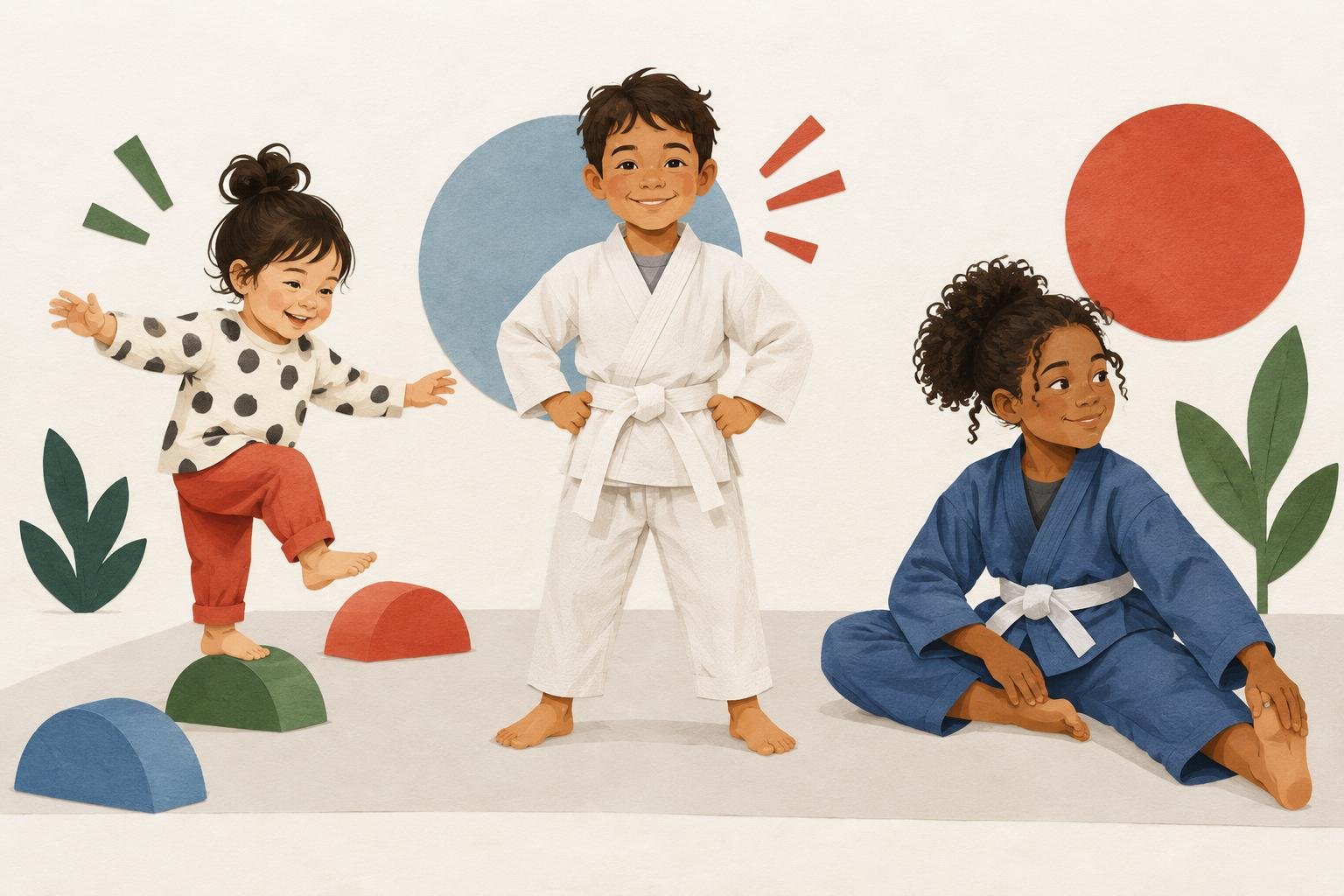
At Budo, Tiny Ninjas for ages 3 to 4 is a play-based martial arts foundation, not the same as the foundational BJJ taught in Lil Ninjas for ages 5 to 7. Preschool movement, listening, and balance activities should not be confused with an older child's grappling lesson.
A good first step is curiosity, not a commitment to compete
Your child does not need to arrive wanting a medal or a black belt. Being curious about movement, willing to try with support, and comfortable enough to communicate are useful starting points. The goal of a first visit is to learn about the class and your child's experience, not predict a future champion.
Start with the age-appropriate program, bring your questions, and listen to your child afterward. Ask what felt interesting and what felt difficult. When the fit is right, grappling can become more than an enjoyable challenge: it offers practice in solving a problem while remembering that the person helping you solve it matters too.
Sources and further reading
New Student Experience
Ready to See It In Person?
2 Weeks of Classes — $99 $29
Keep Reading