I've been in this industry a while, and I keep seeing more BJJ schools opening. When owners talk about that, we tend to go straight to style, curriculum, or who's running the better operation. I think we're skipping something bigger: the culture that sends people through our doors has changed. Some schools are benefiting from that change. Others are still expecting yesterday's culture to sell today's memberships.
Here's my position: traditional martial arts enjoyed a cultural head start that owners didn't have to manufacture. I think BJJ now benefits from a different one. That doesn't settle which school teaches better or makes more money. But if we're debating why people are interested in one offer rather than another, we cannot leave media out of the conversation. And 'our art has been around longer' isn't much of a business response.
1. Hollywood helped sell the traditional martial arts dream
Kung fu movies in the '70s. The Karate Kid in the '80s. Chuck Norris. Van Damme. Bloodsport. And we can't forget ninjas. Enter the Ninja. American Ninja. The whole ninja craze was part of that picture, too. We know the picture those movies put in people's heads. Different films, different styles, but a familiar destination: someone watching could imagine walking into a martial arts school and becoming a different version of himself.
That was an enormous gift to our industry. The prospect arrived with part of the sale already made. The instructor, the uniform, the belt, the dojo: none of it needed to start from zero. Owners still had to convert and retain students, obviously. But the cultural meaning of the product was already out there. Hollywood wasn't running our schools. It was helping create the desire for what we sold.
I think some of us became so accustomed to that advantage that we treated it as a permanent feature of the market. It wasn't. A business can keep its curriculum, standards, and identity while the public changes around it. That's the uncomfortable part: you can be doing many of the same things well and still find that fewer prospects arrive wanting the story your school is built around.
2. The fighting story now includes the cage and the ground
Now put UFC, fight clips, and training footage beside that older picture. Add Tom Hardy in Warrior and Jake Gyllenhaal playing a former UFC fighter in the 2024 Road House, with Conor McGregor in the cast. The reference point isn't always the traditional dojo anymore. It's the fighter, the camp, and the question of what survives contact. I think that changes the kind of credibility a prospect looks for.
Not every modern action hero fits neatly into this argument. Jason Statham isn't a walking BJJ advertisement, and the older stars haven't vanished. I'm talking about a shift in the conversation, not a clean replacement of one genre by another. Schools no longer compete only with other schools' offers. We also compete with the expectations customers bring from what they watch every day.
A traditional school may still be selling the journey to black belt while a prospect is asking whether the training holds up against resistance. Those aren't necessarily conflicting goals. But they aren't the same opening conversation either. If our answer is to dismiss the prospect's frame of reference, we've decided to argue with the market before we've earned the student's trust.
3. Cobra Kai is a counterargument, not a business plan
Yes, Cobra Kai exists. So does Karate Kid: Legends. That matters, and saying traditional martial arts has disappeared from media would be wrong. But pointing to a successful franchise doesn't answer whether your school is connecting with the people in your market. 'Karate is still on television' and 'our offer is compelling to today's prospects' are two different claims. One doesn't automatically establish the other.
I'm not offering a national growth study. More BJJ openings are what I'm observing; media's influence is my interpretation. Location, price, referrals, and execution still matter. But I don't think we need to pretend culture is irrelevant just because we can't attribute every enrollment to a movie. The useful debate is how much that cultural advantage matters and whether we're responding intelligently or defensively.
4. BJJ has a positioning advantage. I think owners should admit it.
I'm pro-BJJ. I think its emphasis on working against resistance gives it a particularly strong answer to the expectations I'm describing. The gap between the promise and the evidence can be small: students get feedback on the mat, not just assurances about what a technique would do. From a business standpoint, that's a compelling product story. You don't have to agree with my preference to recognize the positioning.
We all know BJJ isn't MMA, and traditional schools don't have a monopoly on compliant practice. That's not the dispute. The dispute is whether BJJ's current cultural fit helps it get considered before a traditional school even gets to make its case. I think it can. Refusing to acknowledge that because your own school trains seriously doesn't remove the competitor's advantage.
And no, having that advantage doesn't make every BJJ academy a good business. A fashionable category can hide weak onboarding, inconsistent service, and an owner who mistakes technical authority for leadership. Cultural interest gets you considered. It doesn't run the school. BJJ owners who act as though the art sells itself are making the same mistake I'm challenging traditional owners to stop making.
5. The business risk is selling a symbol instead of an outcome
If your next prospect didn't grow up wanting to be Daniel LaRusso, what makes your offer compelling? Not what makes it meaningful to you. Not what your instructor taught you to value. What makes a stranger want to buy it now? A belt can represent something substantial inside your school without carrying the same weight outside it. Owners can't afford to confuse those two audiences.
Keeping tradition and relying on tradition to close the sale are different decisions. You don't need to apologize for your art or bolt a grappling program onto the schedule to look current. But you do need an answer stronger than lineage, longevity, or 'we build character.' If another school can make its value easier to see, being offended by its marketing won't improve yours.
The BJJ version is 'we train for real,' delivered as though that settles every business question. It doesn't. A prospect can believe your training is legitimate and still choose another school because your operation feels indifferent to beginners. If interest is strong but conversion or early retention is weak, you may not have a demand problem. You may have a delivery problem that cultural momentum is temporarily covering up.
6. Children's programs complicate the argument
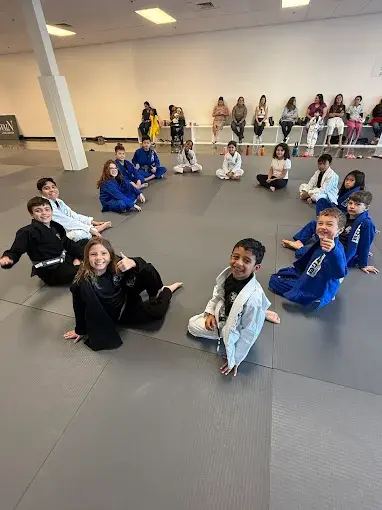
Children's programs are where I expect traditional owners to push back hardest, and fairly so. An adult wanting credible grappling and a parent shopping for a preschooler aren't buying the same thing. Traditional schools can have a strong offer here. The question isn't whether parents want their children in the UFC. It's whether the school's message earns confidence without depending on a familiar uniform to do all the convincing.
At Budo, separating preschool foundations from older children's training reflects that distinction. But this isn't a pitch for our programs. It's a challenge to the category argument: being pro-BJJ doesn't mean pretending every age group responds to the same offer. Owners should judge where the cultural advantage helps and where a different proposition matters more. One message across the whole school can conceal very different reasons people enroll.
7. Ask whether your market agrees with this argument
I'd put this argument against what prospects actually say, not just what other owners agree with in a business group. What did they think training would look like before they contacted you? Which alternatives did they consider? Why did they choose yours? We already track lead sources. The expectation behind the inquiry can be just as revealing as whether it came from Google or a referral.
Then separate attention from business performance. More inquiries don't prove better retention, and more academies opening don't prove healthier margins. If BJJ is gaining consideration but an individual school can't keep beginners, those are two different stories. Likewise, a traditional school with strong conversion and retention may be adapting brilliantly without changing its style. The label alone won't tell us who's running the stronger business.
What would change my mind? Traditional schools consistently winning consideration from people with no attachment to the old media story would challenge an overly broad version of my thesis. BJJ schools attracting attention without converting it would expose the limits of the advantage. That's a better discussion than trading screenshots of full classes. I want to know what customers expected, what they bought, and whether they stayed.
The debate I actually want school owners to have
I think BJJ has the stronger cultural fit for part of today's market. That's my flag, not a prediction that every traditional school is in trouble. An excellent operator can outperform a poorly run school in a fashionable category. But protecting your standards and protecting yourself from an uncomfortable business conversation are not the same thing. Disliking MMA doesn't make its influence on customer expectations disappear.
So here's the argument I'd put to fellow owners: maybe some of what we called the strength of traditional martial arts was the strength of the media behind it. And maybe some of BJJ's current appeal comes from that same kind of cultural tailwind. Neither side gets to take all the credit. Are we winning attention because we're better at teaching, or because we're better aligned with the story customers already believe?
References for the media and training examples
New Student Experience
Ready to See It In Person?
2 Weeks of Classes — $99 $29